


Articles
Wednesday January 21 2026
Trends driving surveillance innovation
In a world in which safety is paramount, security surveillance has evolved from simple monitoring to a sophisticated matrix of technologies that protect our homes, businesses, and even countries.
Trends driving surveillance innovation
As populations grow and threats become more complex, the role of surveillance systems has never been more critical.
Technology is evolving at breakneck speed, and the landscape of security surveillance has been thrust into a profound transformation to respond. From advanced facial recognition systems to AI-driven analytics, these innovations promise enhanced safety and efficiency.
Cameras and monitoring systems are becoming ubiquitous. As technology advances, so too does the sophistication of surveillance methods, transforming how we perceive security in our daily lives. Precision and efficiency in surveillance are paramount, and the field of target recognition and tracking is undergoing a transformative evolution.
Recent advancements, particularly in artificial intelligence (AI) and deep learning, are disrupting how systems identify and monitor objects across various environments – from military reconnaissance to autonomous vehicles.
Innovative algorithms can sift through vast amounts of data in real-time, enhancing accuracy and speed in recognising targets, even in complex and dynamic settings. For instance, the integration of deep learning techniques has improved the performance of traditional recognition systems significantly, allowing for more robust feature extraction and classification.
These technologies are not only reshaping military strategies but also paving the way for advancements in civilian applications. Digital advancements in surveillance have transformed how governments and organisations monitor activities.
AI and machine learning
AI has paved the way for more sophisticated data analysis, allowing for real-time monitoring and predictive analytics. AI can find patterns in large datasets, enhancing the ability to detect unusual behaviours or potential threats. And facial recognition technology is increasingly used in public spaces for security purposes.
Beyond facial recognition, biometric technologies (like fingerprint and iris scanning) are being deployed for identity verification in various sectors, including law enforcement and border control. According to the Carnegie Endowment for International Peace, at least 75 out of 176 countries globally are actively using AI technologies for surveillance purposes. This includes smart city/safe city platforms (56 countries), facial recognition systems (64 countries), and smart policing (52 countries).
Smart surveillance systems
These systems integrate Internet of Things (IoT) devices, enabling comprehensive monitoring through interconnected cameras and sensors. They can provide insights into traffic patterns, crowd control, and more.
Recent advancements in target identification and tracking
Considering the examples above, recent advancements in target identification and tracking have been significant, particularly with the integration of AI and machine learning.
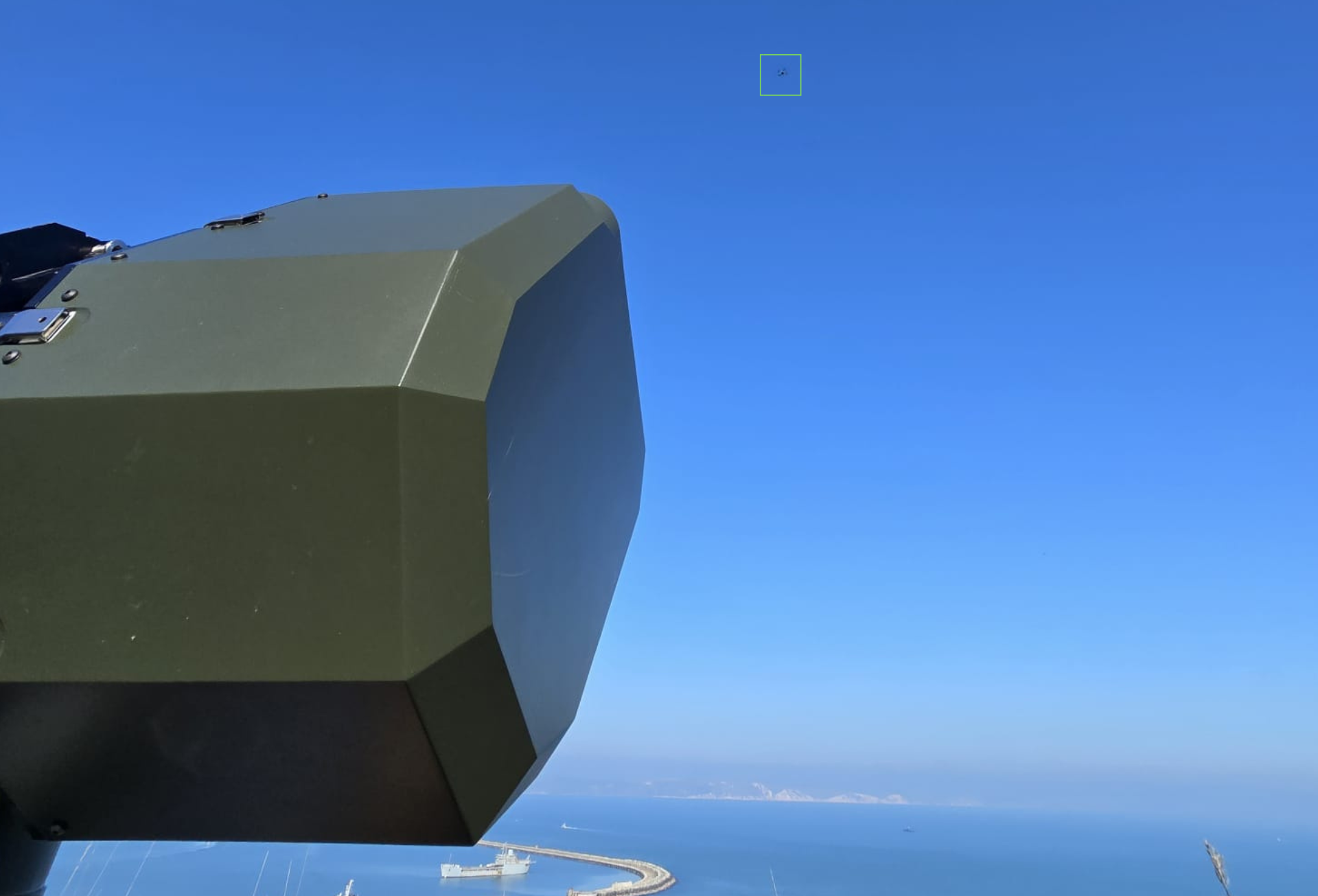
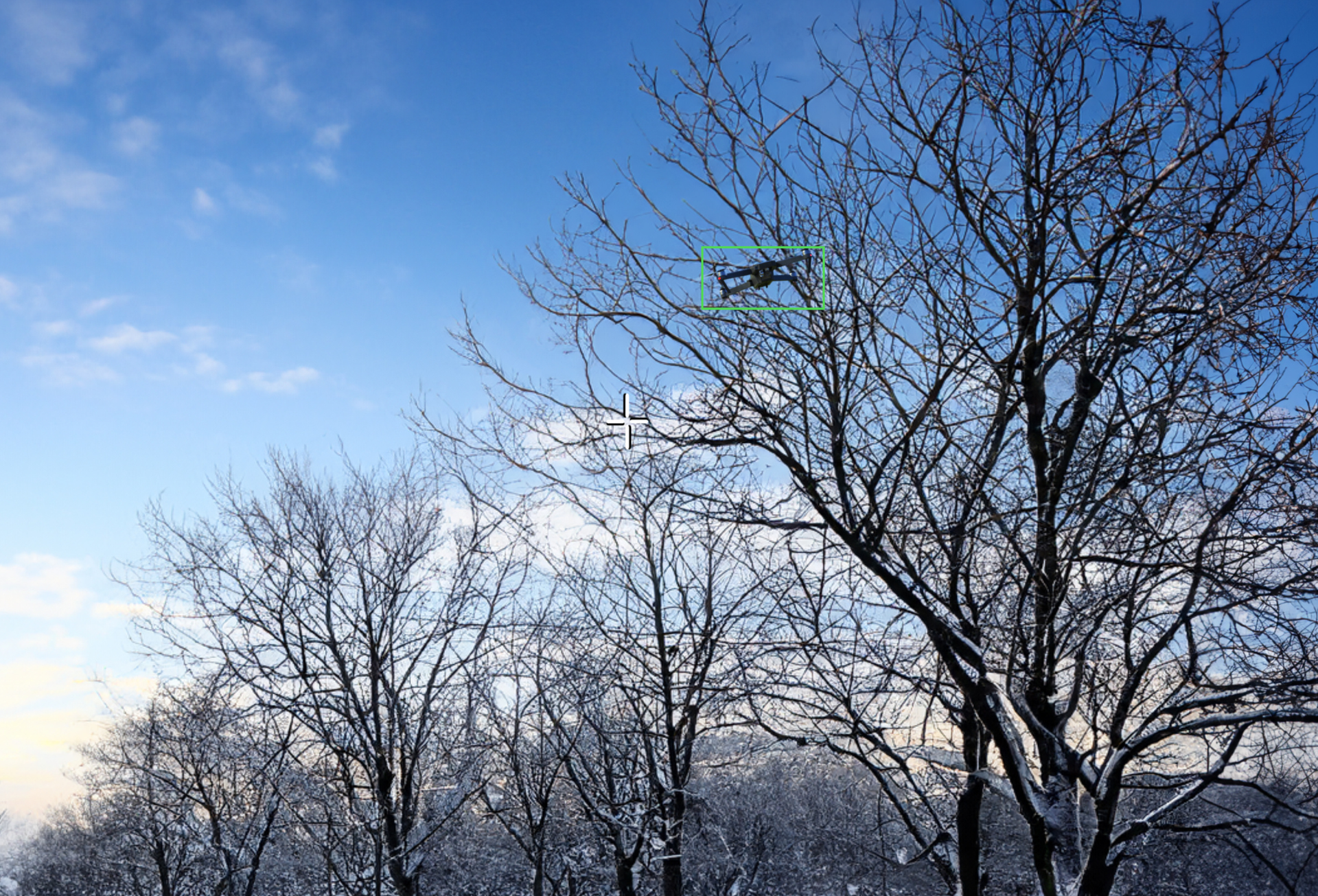
In 2022, the European Defence Agency completed a two-year study called ARTINDET, which investigated how AI applications can be used to improve the automatic detection, recognition, identification and tracking of small, fast-moving targets in a complex battlefield environment. In such a hostile and difficult context, high-performance electro-optical (EO) imaging systems together with high spatial resolution radars were found to be best solution to efficiently detect and mitigate these new threats. One of the main conclusions of the study, is that AI significantly enhances the performance of those two technologies related to image pre-processing, fusion, and inference.
A wealth of research has shown that AI can significantly improve the automatic detection, recognition, and tracking of small, fast-moving targets in complex environments. This includes the use of high-resolution electro-optical imaging systems combined with advanced radar technologies. New algorithms are being developed for tracking multiple targets simultaneously, which is crucial for modern radar and sonar systems. These algorithms focus on improving detection in low signal-to-noise ratio conditions and optimising resource management.
The integration of data from various sensors (like radar and cameras) is becoming more sophisticated. Techniques such as heterogeneous data fusion (which integrates different forms of data) are enhancing situational awareness and decision-making capabilities.
Deep learning is being applied to improve the classification and identification of targets, particularly in challenging scenarios like urban environments or maritime contexts.
These advancements are paving the way for more effective and efficient tracking systems, which are essential for both military and civilian applications.
The small form factor in surveillance technology
The small form factor in surveillance technology has a significant impact on various aspects of security and monitoring.
Smaller devices can be easily concealed, making them ideal for covert surveillance operations. This allows for more effective monitoring without drawing attention.
Compact surveillance systems are easier to transport and deploy in various environments, including urban settings and remote locations. This flexibility enhances operational capabilities.
Smaller devices can be integrated into existing infrastructure, such as buildings or vehicles, without requiring extensive modifications. This can lead to more efficient surveillance setups.
Smaller form factors often require less material and power, potentially reducing costs in both production and operation. This can make advanced surveillance technology more accessible.
The push for smaller devices has driven innovations in sensor technology, data processing, and wireless communication, leading to more sophisticated surveillance solutions.
While smaller surveillance devices can enhance security, they also raise significant privacy issues. The ability to monitor individuals discreetly can lead to debates about the balance between security and personal privacy but overall, the trend towards smaller form factors in surveillance reflects a broader shift towards more efficient and effective monitoring practices.
Deep learning
One of the most common applications of deep learning for video analysis is object detection and tracking. This involves detecting and tracking specific objects in a video recognition sequence. Popular techniques include the use of a convolutional neural network (known as a ConvNet or CNN) to learn complex patterns from data.
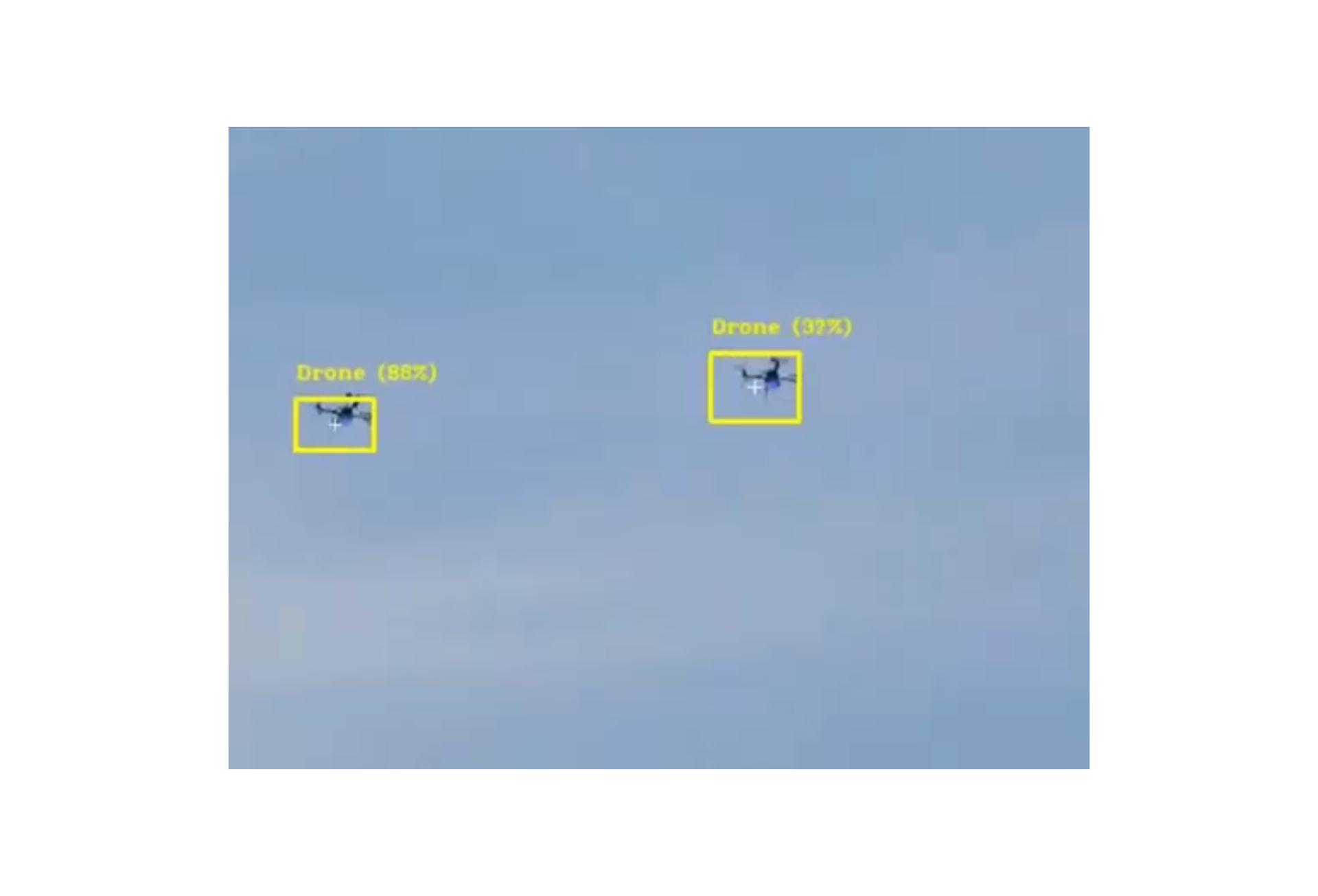
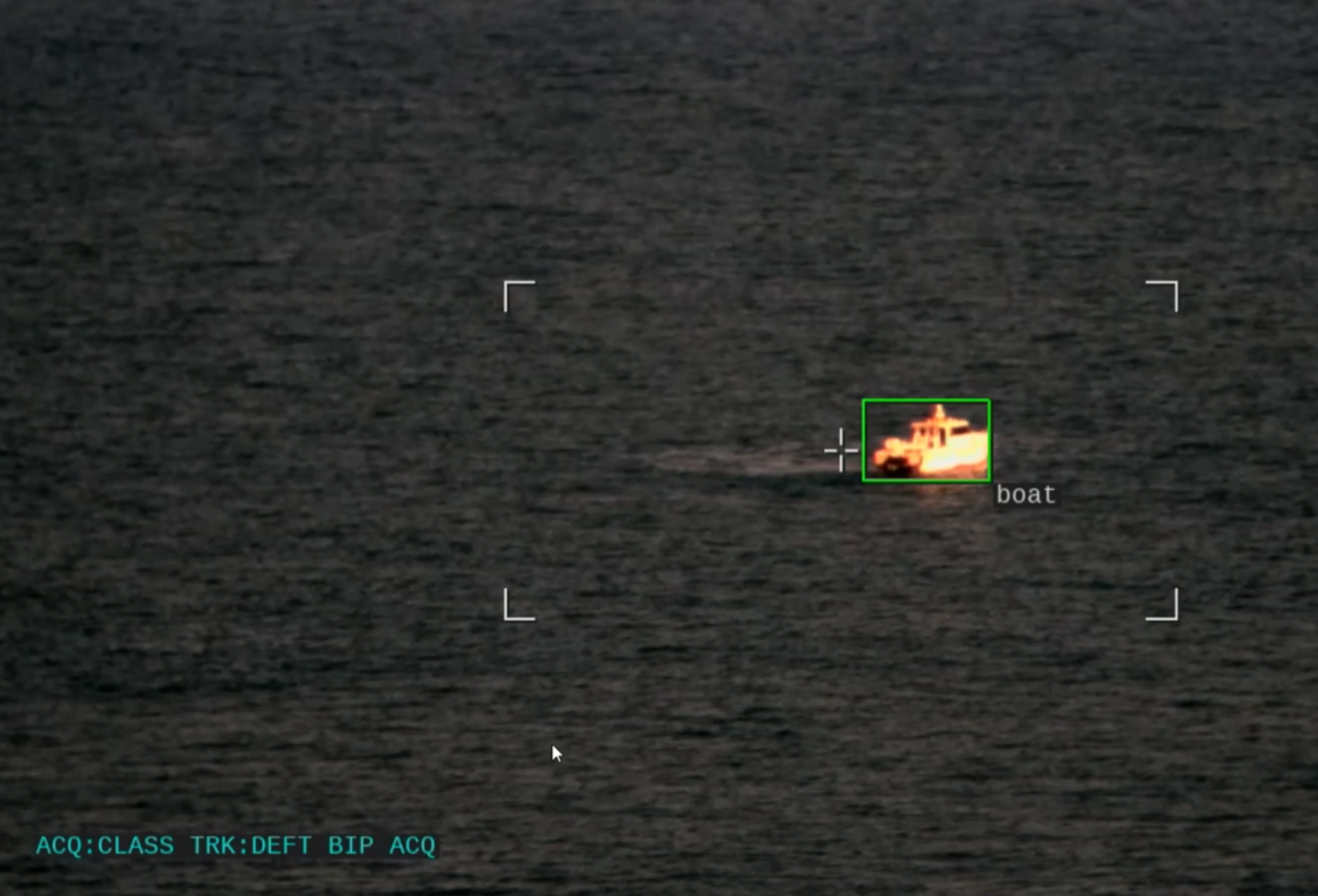
Such deep learning models are used in software for analysing video and detecting and tracking objects for trained classes, such as vehicles, ships, drones, or people, in real-time. More advanced video analytics software provides functionality for object counting and rule-based analysis, for example people-counting in areas with large crowds.
Another typical application of deep learning for video analysis is action recognition. This involves recognising specific actions in a video sequence or real-time video streams. Deep learning models can be trained to classify actions performed in different contexts or environments. More advanced methods apply video recognition or understanding, pose estimation, emotion analysis, or face recognition to analyse and understand the context of video data.
Deep Embedded Feature Tracking (DEFT)
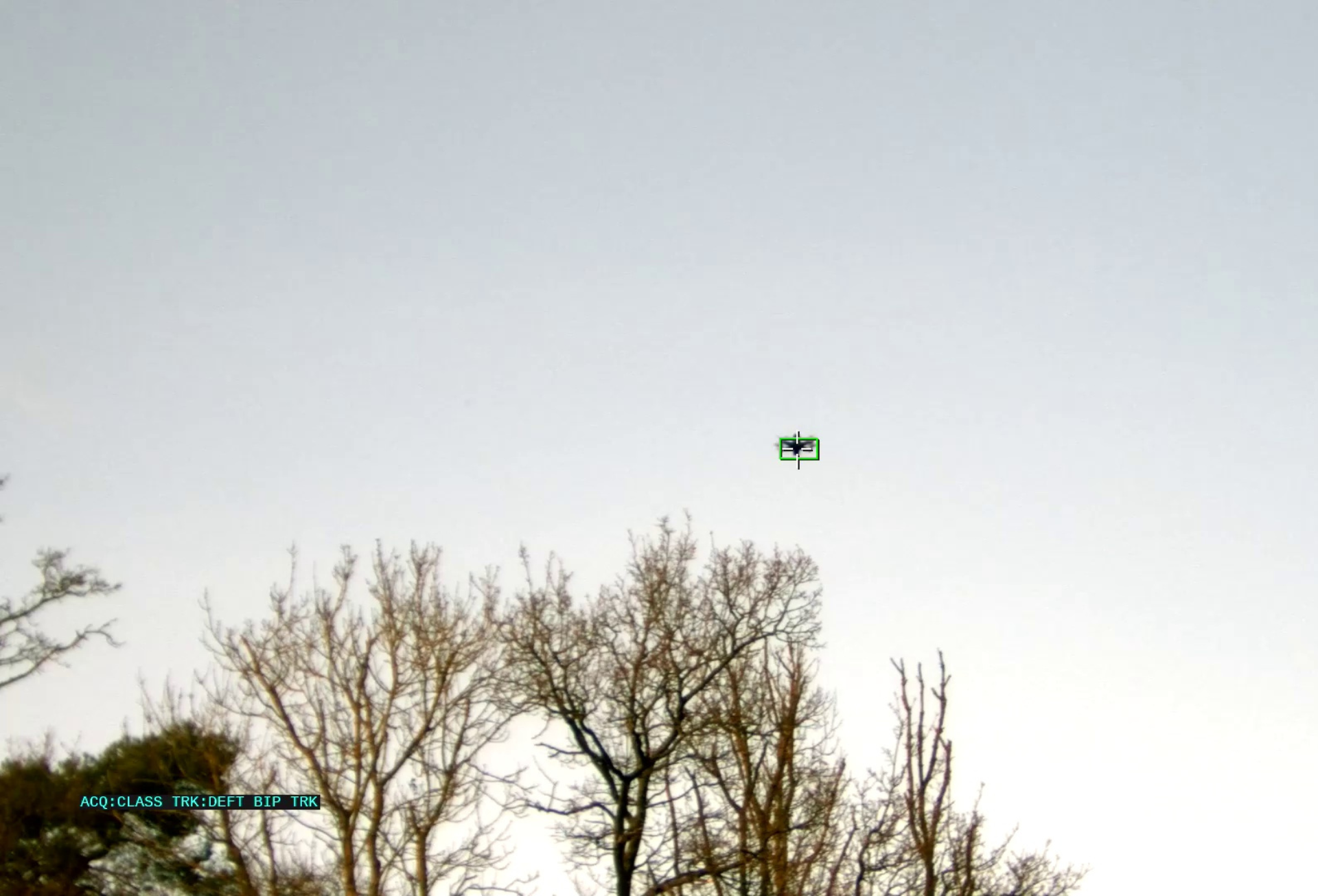
DEFT is an AI powered advanced real-time video tracking capability designed to provide accurate and robust tracking in complex situations.
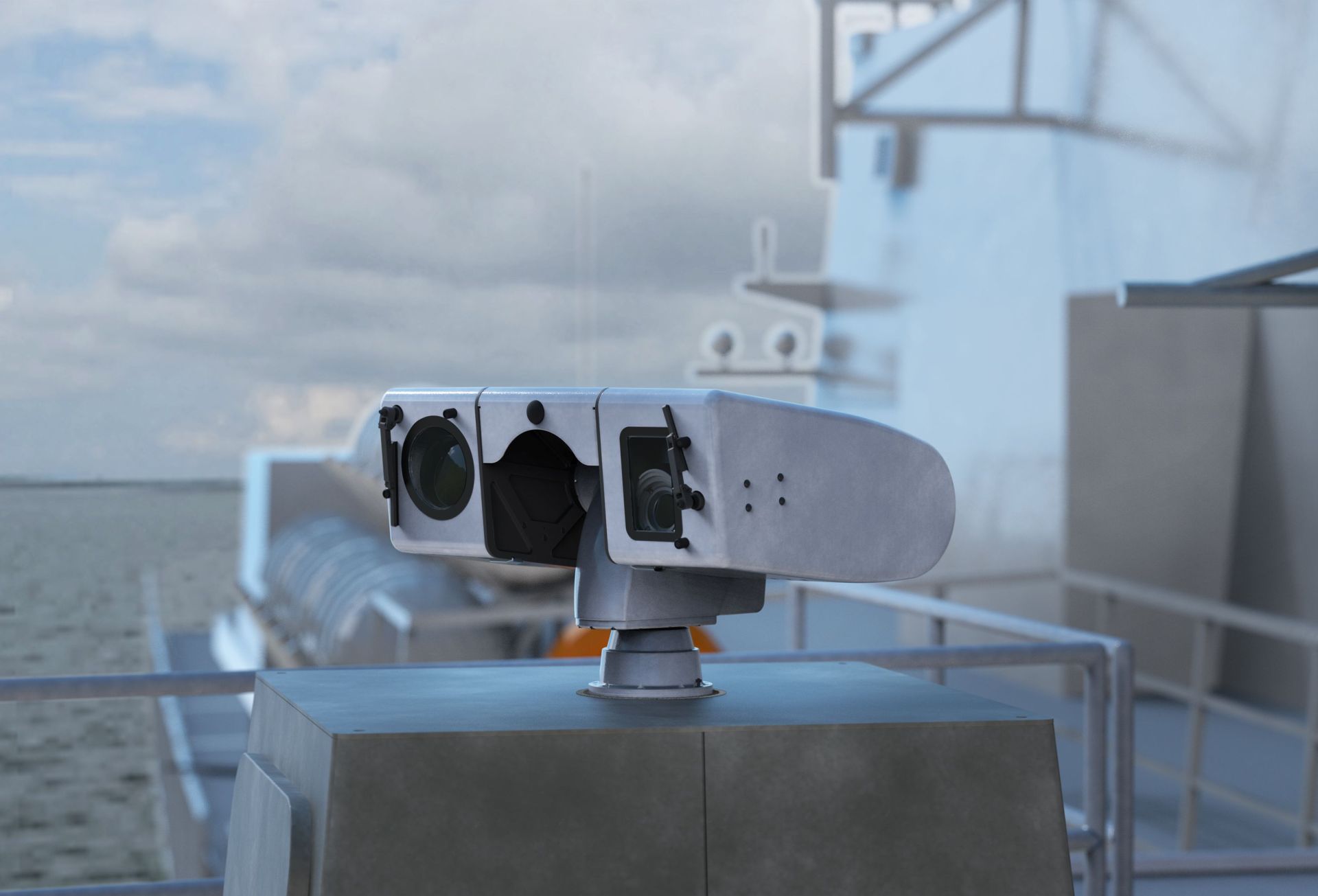
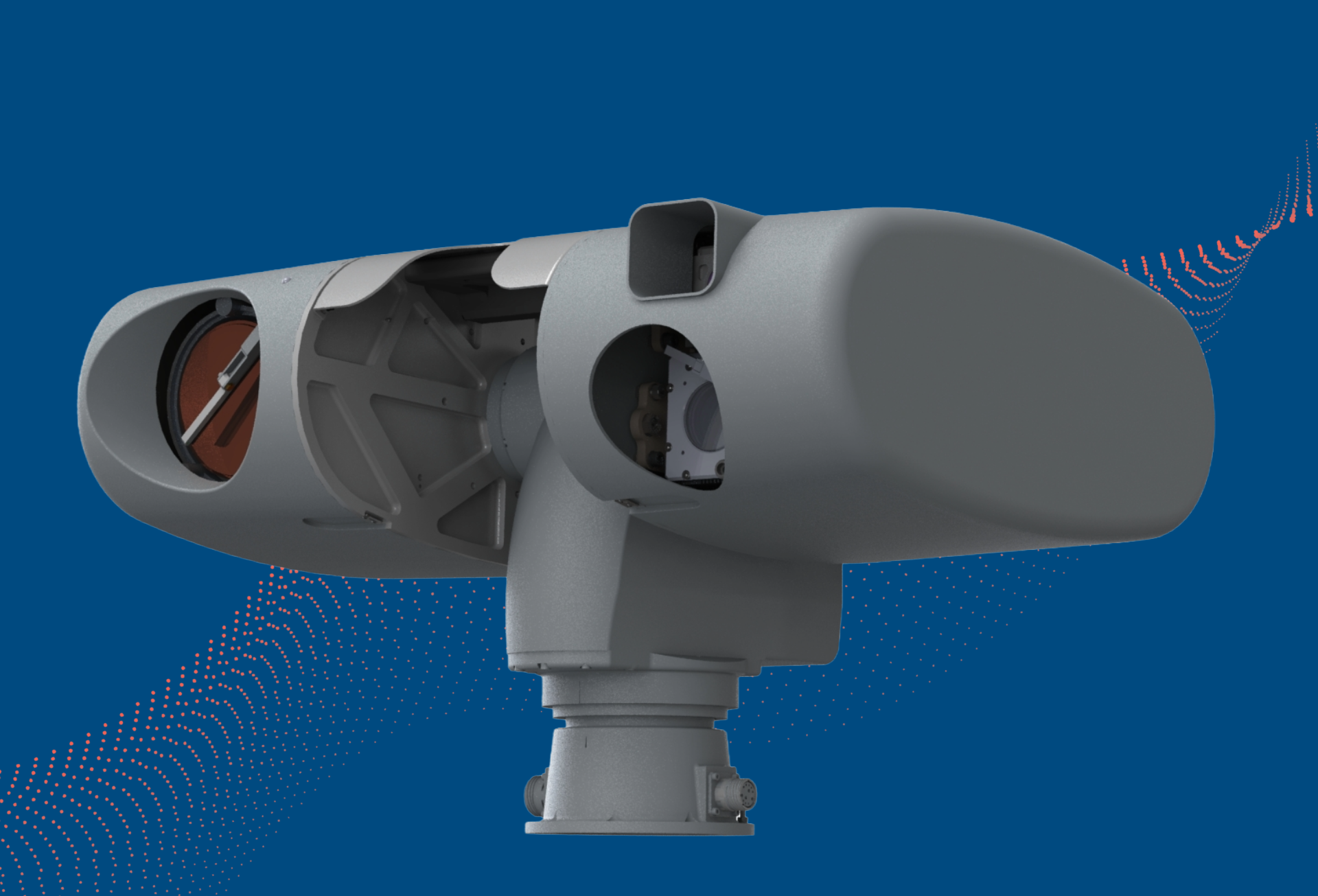
Chess Dynamics, for example, has installed DEFT on its newest Vision4ce CHARM Video Target Trackers, and the system uses its deep learning approach to optimise the identification and tracking of a moving target.
The technology has the potential to revolutionise surveillance, enabling reliable tracking of targets that are becoming increasingly difficult to follow. Threats can aggressively change appearance, helped by background clutter and other fast-moving and agile objects in the environment.
But AI powered deep learning-based algorithms, allow a comprehensive model to be made of the tracked target, enabling the system to accurately locate dynamic targets and reliably re-acquire them following periods of occlusion.
As the tracking progresses, the model is continuously fine-tuned to enhance its understanding of the target, resulting in precise long-term, robust tracking performance.
DEFT creates comprehensive models of the target, allowing for continuous exact tracking after occasional occlusion, for example. It provides for improved tracking of difficult targets, an area in which traditional algorithms often struggle.
The models are continuously fine-tuned to enhance user understanding of the target, resulting in precise long-term, robust tracking performance. The technology enhances the company’s AI-driven target detection and tracking capability and integrates with neural network-based object detection and classification of targets, including multi-rotor drones, vessels, and land vehicles.
The increased proliferation of stealthy drones and more flexibly deployed forces has posed an unprecedented threat to security and privacy. These agile and hard-to-detect devices capitalise on cluttered environments to evade traditional surveillance methods, highlighting the urgent need for innovative technologies to counteract them. DEFT has been developed in response to this growing issue.
What does the future hold for surveillance innovation?
The future of surveillance systems is being shaped by several transformative trends, again primarily driven by advancements in technology.
The Internet of Things (IoT) is enhancing surveillance capabilities by connecting various devices and sensors. This integration allows for a more comprehensive view of security environments, enabling systems to share data and respond to incidents more effectively. Cloud solutions are making surveillance data more accessible and scalable, while edge computing allows for processing data closer to the source. This reduces latency and bandwidth usage, improving the efficiency of surveillance systems.
Chess Dynamics is incorporating DEFT into smaller electro-optic systems and products while maintaining the high tracking performance of the technology. This will mean it can be integrated into autonomous platforms or installed within a camera to optimise performance of the automated video tracking and surveillance capabilities within a single device.
How we can help you


