


Articles
Wednesday January 21 2026
Eyes on the Sky: reducing the cognitive burden in C-UAS operations
The war in Ukraine has been a stark wake-up call for defence innovators worldwide. Once considered experimental, unmanned aerial systems (UAS) have become central to combat operations, reshaping tactics at every level.
Eyes on the Sky: reducing the cognitive burden in C-UAS operations
Inexpensive, easy to modify, and deployed in increasingly large numbers. Drones have proved devastatingly effective, with recent analysis suggesting they may be responsible for up to 60–70% of damage to Russian military equipment, marking a staggering shift in battlefield dynamics.
The lesson is clear: drones are no longer niche tools; they are a permanent, rapidly evolving threat. Swarming tactics, pre-programmed flight paths, and multi-role configurations mean attacks can come from any direction, in most weathers, at any time. The affordability of drones tilts the cost equation in the attacker’s favour, while the speed of UAS innovation often outpaces the development of countermeasures - in Ukraine, the measure to counter measure cycle is just 8 weeks. The modern battlespace is now fully three-dimensional and the cognitive burden on operators has reached unprecedented levels.
The cognitive burden
In any operational environment, an operator’s attention is a finite resource. In C-UAS scenarios, that attention is stretched to the limit: scanning for small, fast-moving objects against cluttered backgrounds, identifying friend from foe, classifying the level of threat, and then deciding how to respond, all in seconds.
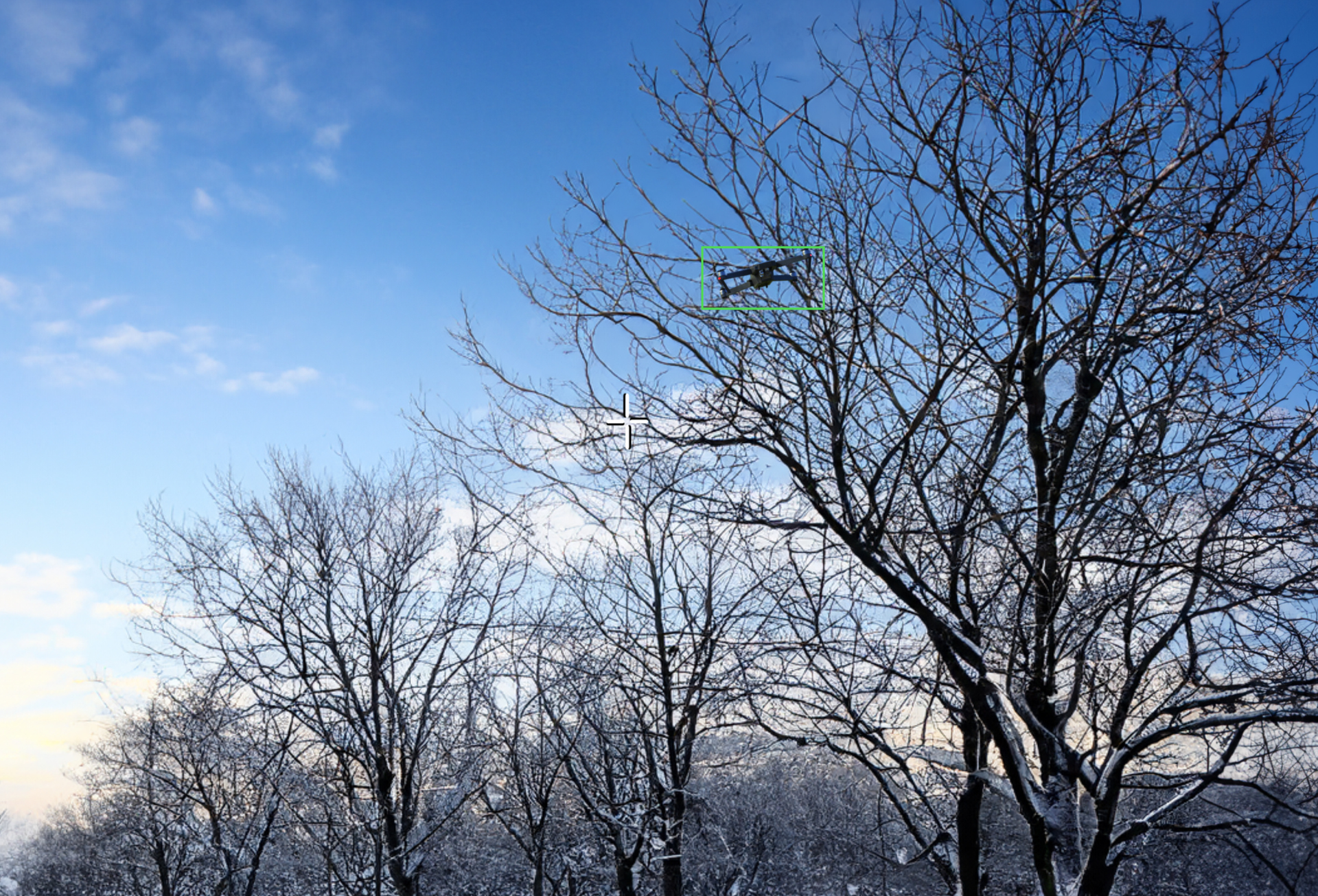
The challenge intensifies when multiple drones arrive simultaneously or in rapid succession, as in a swarm attack. In such cases, human operators can quickly become overwhelmed, leading to slower reaction times, missed threats, or inappropriate responses. This is where AI-enabled systems such as Chess’ Vision4ce Deep Embedded Feature Tracking (DEFT) fundamentally change the equation. By using the latest deep neural networks to continuously detect and track targets, DEFT automates detection, classification and tracking of multiple target at once. This means the system maintains robust target lock below the tree line in low contrast or with heavy background and foreground clutter, with minimal operator input.
Instead of dividing their attention between scanning for threats and directing countermeasures, operators can rely on DEFT to persistently track multiple targets while they concentrate on decision-making and coordination. This shift moves the human role higher up the decision hierarchy, from spotting and chasing individual drones to orchestrating an integrated defensive response.
The wider impact
Reducing cognitive burden is not just about operator comfort – it has measurable operational consequences. Lower fatigue levels mean operators can sustain alertness and accuracy over longer timeframes, and shorter ‘sensor-to-shooter’ cycles increase the probability of neutralising a drone before it can complete its mission. Additionally, with the huge amount of data the Chess system is trained on, fewer false alarms free up the defensive assets for genuine threats.
Perhaps most importantly, by standardising and automating parts of the detection process, AI enables C-UAS capability to be distributed more widely. Systems no longer have to be operated exclusively by highly trained specialists, and generalist soldiers at the platoon level can operate effective detection and tracking tools with minimal additional training.
This distributed approach proves critical. As the frontline lessons from Ukraine have shown, a single, centralised C-UAS capability can be saturated or bypassed. But when every vehicle, outpost, and forward element acts as a sensor and can detect and track drones autonomously, this system of systems becomes far more resilient and responsive.
From detection to decision
Effective C-UAS defence doesn’t stop at spotting the threat. It requires early detection, rapid classification, and seamless integration into wider defensive systems. Chess Dynamics’ role as a systems integrator means we tailor solutions to each end-user’s specific threat profile, fusing radar, optical sensors, and other inputs to enable faster, informed responses.
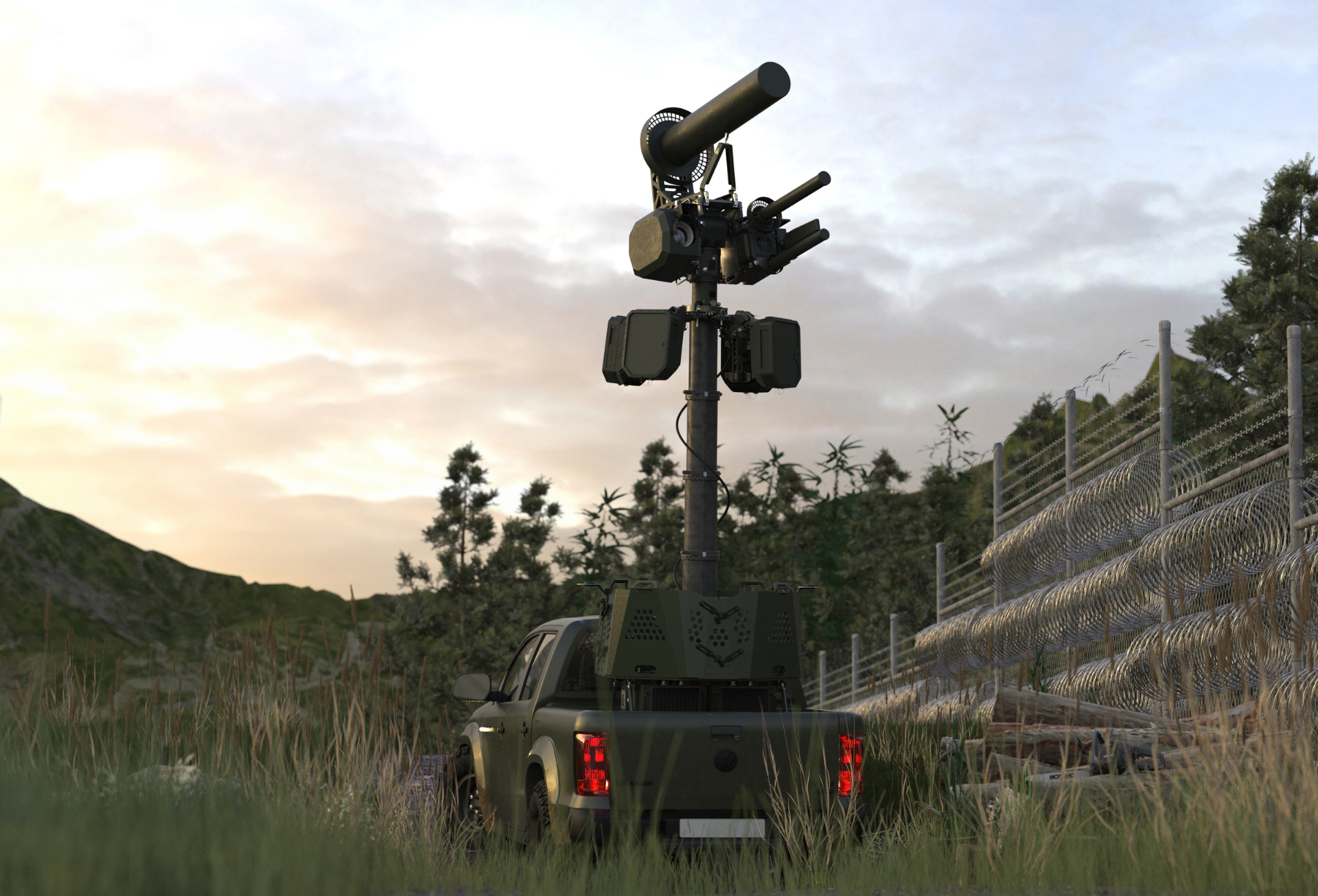
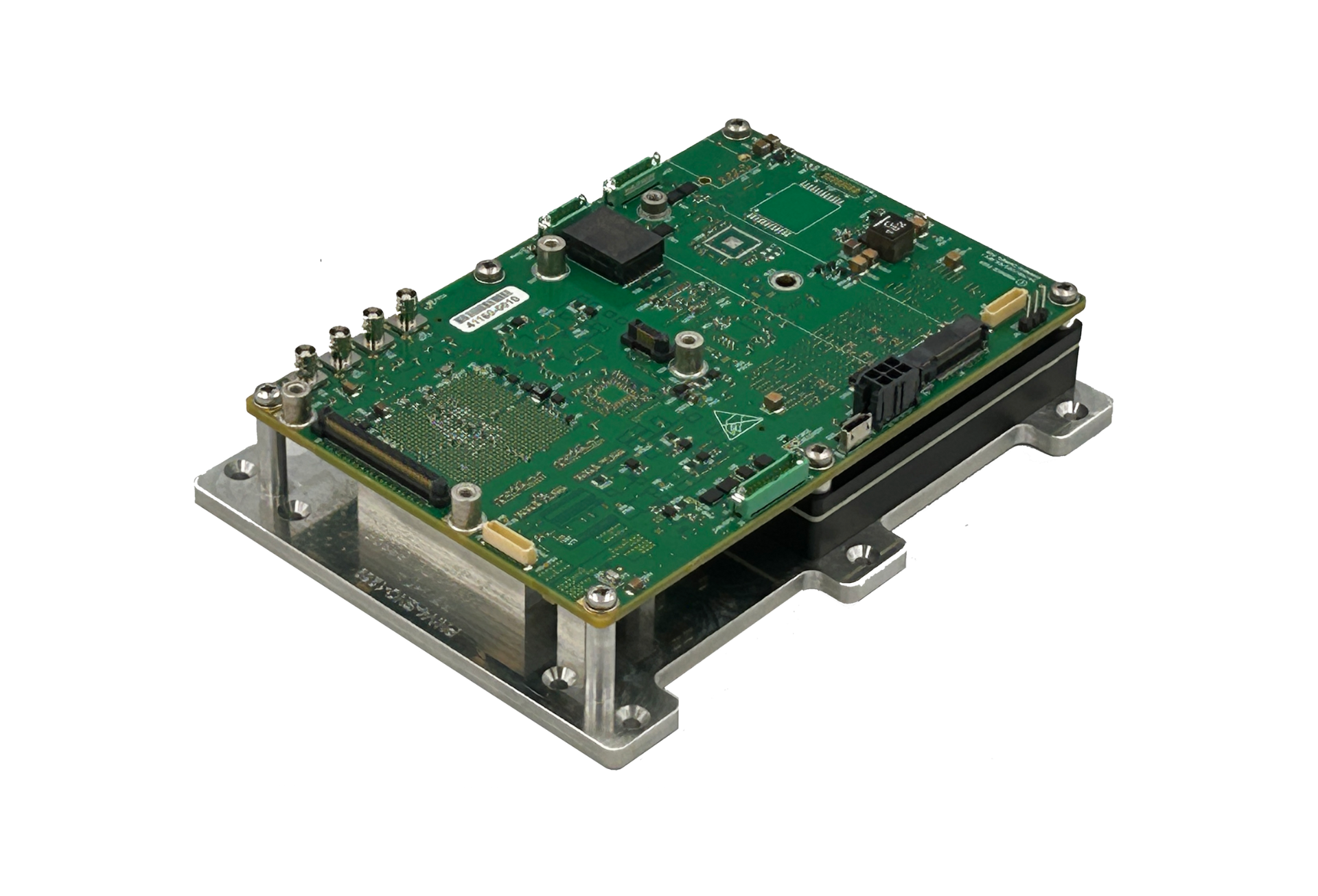
Our Hawkeye Air Defence (AD) fire control system combines precision tracking with AI-driven image processing to engage fast, agile targets. The DEFT tracking algorithms are powered by Vision4ce’s CHARM hardware - from the compact Mini CHARM for SWaP constrained application like UAVs, up to our most powerful CHARM150AGX offering multi-channel tracking on ultra-high resolution (4K60)cameras operating down to -40°C.
Staying ahead of the threat
The key takeaway from Ukraine is that you cannot rely on a single, centralised C-UAS capability. The threat is too fast-moving and too widespread. Every vehicle, command post, and forward position needs some form of integrated detection and protection — whether against lone commercial drones or coordinated swarms.
AI-enabled systems help close the gap by delivering persistent surveillance, faster decision-making, and reduced operator burden. They give operators the ability to stay ahead of evolving threats rather than react to them, a decisive advantage in an environment where innovation moves at rapid speed.
How we can help you


